

Giving Small Businesses a Voice in State Policy

Legislative Advocacy, Coalition Building, Economic Development, Government Relations
Organization: The Milk District
Role: Executive Director
Legislation: Florida House Bill 1647 (2021)
Overview
Small businesses are essential to vibrant neighborhoods, but they rarely have the individual resources or political influence to change the policies that affect them.
As Executive Director of The Milk District, I worked to help bridge that gap, bringing the needs of independent businesses to local government and the Florida Legislature.
Through collaboration with business owners, municipal leaders, and state legislators, The Milk District helped champion a change to Florida's liquor licensing requirements, removing barriers that disproportionately affected smaller restaurants operating in historic and established commercial districts.
What began as a neighborhood economic development priority became part of a legislative effort that extended new opportunities to Main Street businesses across Orlando.
The Challenge
Florida's liquor licensing regulations created an unintended barrier for independent restaurants.
To qualify for a special food service license allowing the sale of spirits without purchasing a quota liquor license, restaurants generally needed at least 2,500 square feet of space and seating for 150 guests.
Those requirements might work for larger establishments, but many independent restaurants operate in smaller storefronts, including historic buildings that cannot easily be expanded.
For these business owners, the issue was not simply financial. Their physical spaces made them ineligible for a licensing option available to larger competitors.
Individual businesses had little capacity to navigate the legislative process or advocate for changes to state law. Addressing the problem required a collective voice and partners who could connect neighborhood needs to government decision-makers.
Strategy
-
As a district-wide economic development organization, The Milk District could elevate challenges that individual businesses had limited resources to address on their own.
By connecting the experiences of independent restaurant owners, I helped frame the licensing requirements as a shared economic development concern rather than a collection of individual business problems.
-
Working with the City of Orlando and state legislative stakeholders, I helped advance a practical policy solution that recognized the scale and physical limitations of neighborhood restaurants.
The effort connected business realities with broader municipal priorities, including small business growth, commercial district vitality, and the productive reuse of existing buildings.
-
While The Milk District was an early champion, the opportunity was much larger than one neighborhood.
By supporting an approach encompassing Orlando's Main Street districts, the effort helped turn a localized challenge into a broader policy solution, extending the potential benefits to independent restaurants across the city.
Results
In 2021, the Florida Legislature passed House Bill 1647, establishing the Orlando Main Street Small Restaurant Incentive Areas and reducing the minimum requirements for special food service liquor licenses in designated commercial districts.
The legislation changed two critical thresholds:
Minimum floor area reduced from 2,500 to 1,800 square feet, a 28% reduction.
Minimum seating reduced from 150 to 80 guests, a 47% reduction.
Restaurants must still generate at least 51% of their food and beverage revenue from food and nonalcoholic beverages, preserving the distinction between restaurants and bars.
The City of Orlando's current program encompasses 12 Main Street districts, creating a more accessible licensing pathway for qualifying neighborhood restaurants.
The change expanded opportunities for independent businesses to make better use of existing commercial spaces, diversify their revenue, and compete without the same physical requirements imposed on larger establishments.
Most importantly, it demonstrated the value of collective advocacy. By bringing individual business concerns together, a neighborhood organization could help influence state policy and create lasting benefits extending well beyond its own district.
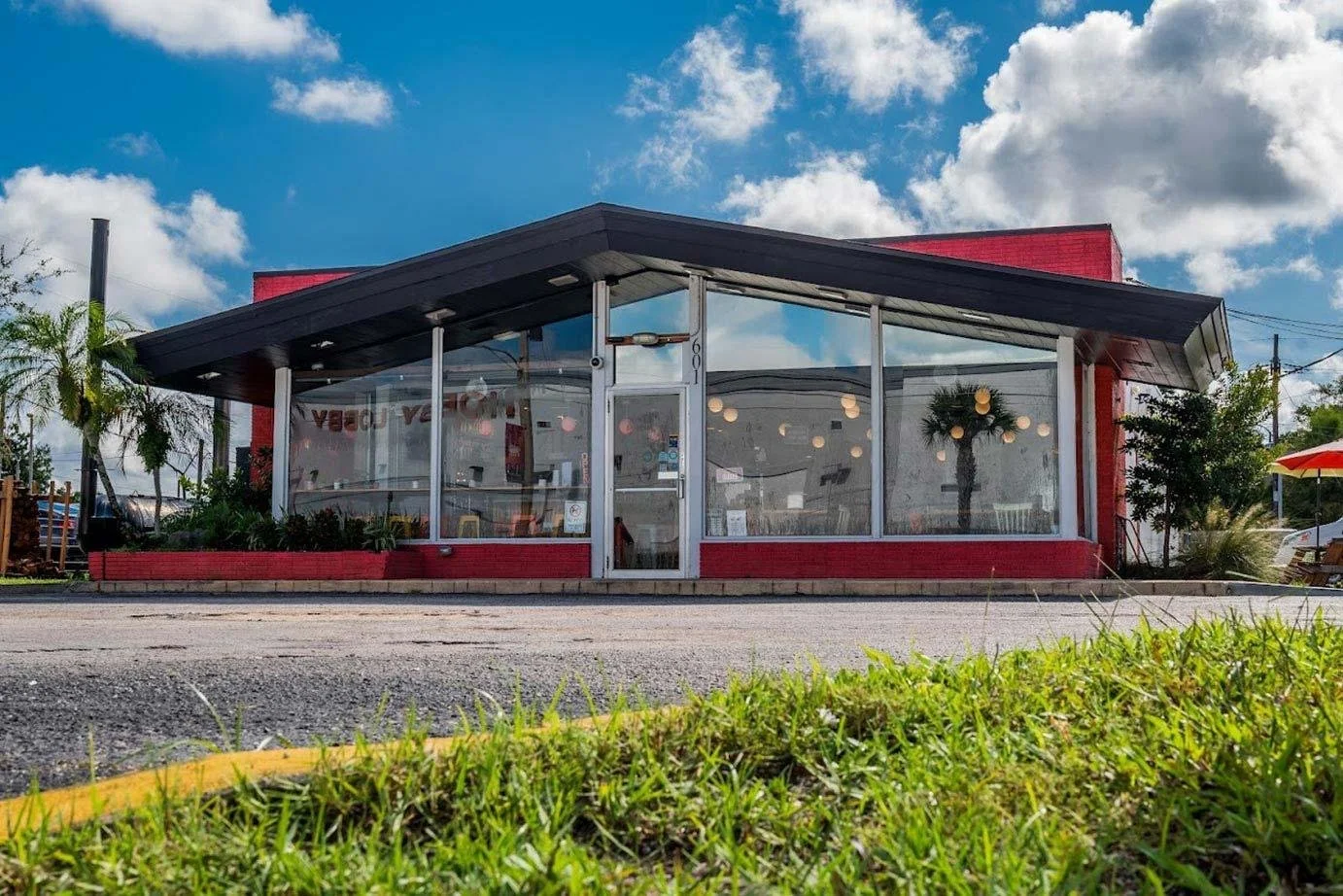
A Sweet Victory for Independent Business
Smoke & Donuts became the first restaurant to take advantage of the new licensing structure, demonstrating how a change in state policy could create real opportunities for independent businesses.
Skills Demonstrated
Legislative advocacy and public policy engagement
Local and state government relations
Coalition building and stakeholder engagement
Small business advocacy and economic development
Regulatory problem-solving
Community organizing and collective representation
Cross-sector collaboration
Neighborhood revitalization and adaptive reuse
