

The Anti-Santa Strategy
Cultural Programming, Audience Development, Event Strategy, Destination Marketing
Organization: The Milk District
Role: Executive Director
Years: 2019–2022
Overview
What does it take for a child to start thinking of themselves as a reader?
Sometimes it is meeting the person who wrote their favorite book. Sometimes it is discovering a character who looks or feels just like them. Sometimes it is simply finding a story so exciting they cannot wait to turn the page.
That was the opportunity behind the inaugural Florida Children's Book Festival.
As Orlando Family Stage celebrated its Centennial, our leadership team saw an opportunity to create an entirely new cultural experience that would expand our community engagement, strengthen our position as a champion of literacy, and introduce new audiences and funding opportunities to the organization.
I led the festival's overall experience design, strategic partnerships, brand positioning, and marketing, working alongside Writer's Block Bookstore, WUCF, and the Orlando Family Stage team to transform our theatre campus and surrounding Loch Haven Cultural Park into a celebration of books, imagination, and storytelling.
The result was a two-day festival featuring approximately 30 celebrated children's authors and illustrators and welcoming thousands of families.
Our ambition was not simply to put more books in children's hands. It was to help more children see themselves as readers.
The Challenge
Central Florida's holiday entertainment calendar is packed with traditional celebrations. From elaborate theme park productions to neighborhood festivals and visits with Santa, audiences have countless ways to experience the season.
But those experiences tend to serve similar expectations of what the holidays should look and feel like.
For The Milk District, a neighborhood known for independent businesses, alternative culture, nightlife, and creative communities, simply producing another conventional holiday festival would have missed the opportunity.
The challenge was not just finding an opening in a crowded events market. It was recognizing an audience that existing programming was not reaching.
We wanted to create something that felt authentic to the neighborhood, welcomed people who did not necessarily connect with conventional holiday traditions, and supported the independent businesses and cultural communities that made the district special.
Strategy
-
Rather than competing with traditional holiday programming, we embraced a different kind of celebration.
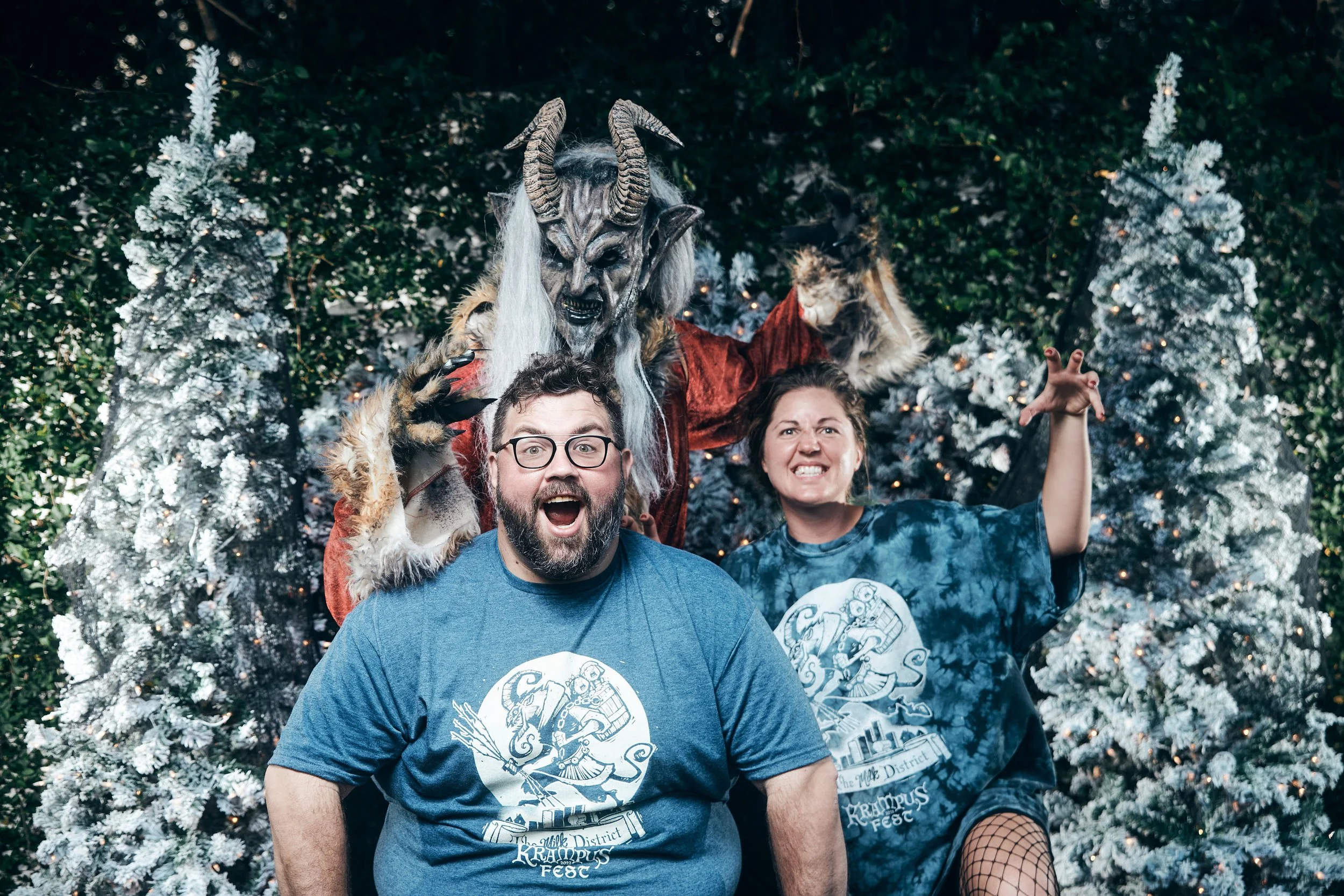
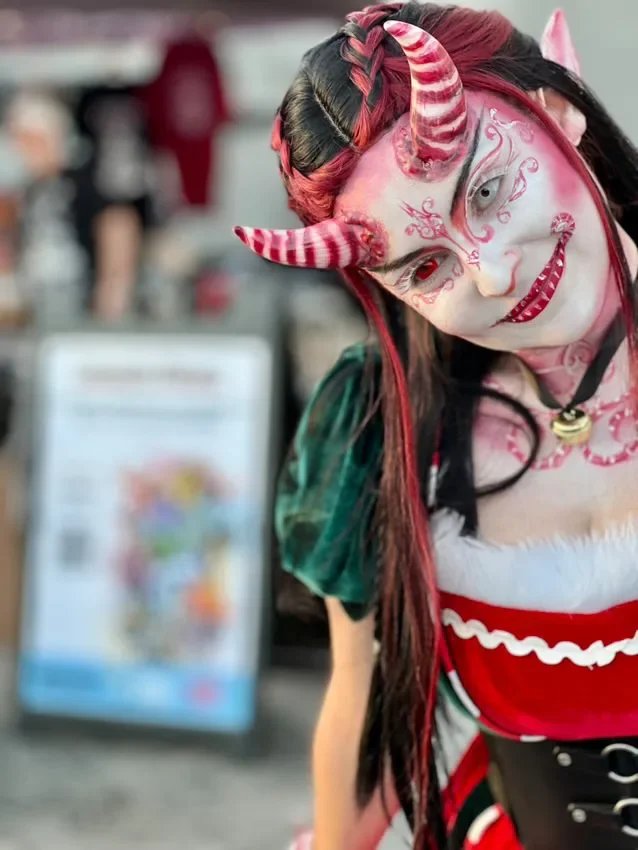
Krampusfest drew inspiration from Alpine folklore, combining live music, independent artists and makers, costumes, theatrical spectacle, and a parade of holiday monsters.
The programming was deliberately unconventional, but the invitation was welcoming.
Whether visitors were passionate about folklore, involved in alternative cultural communities, or simply curious about something new, the event offered a way to participate in the holiday season without conforming to its familiar traditions.
The goal was not to reject Christmas. It was to make room for people who celebrated differently.
-
Audience strategy shaped decisions beyond the festival's creative concept.
We intentionally scheduled Krampusfest on Sunday evening, avoiding much of the crowded Saturday holiday events calendar while creating an opportunity for chefs, bartenders, and other hospitality professionals who often worked traditional weekend hours.
These were not incidental audiences. They were part of the neighborhood's identity.
By considering how our community lived, worked, and socialized, we built an event around the people we wanted to welcome rather than expecting them to adapt to a conventional festival schedule.
-
The original idea came from a volunteer committee. My role was to recognize its potential and build the structure necessary to make it successful.
I developed the event strategy and led the organizational work behind the festival, from programming and vendor recruitment to sponsorships, operations, permitting, risk management, and promotion.
The committee's creativity helped give Krampusfest its personality. My responsibility was to translate that enthusiasm into an experience that could safely and successfully welcome thousands of visitors.
This approach gave the community meaningful creative ownership while providing the professional production and organizational leadership necessary to deliver the event.
-
Krampusfest was designed to introduce audiences to The Milk District, not simply bring them to a temporary festival site.
By involving local businesses, independent vendors, musicians, performers, and creative entrepreneurs, the event reflected the neighborhood's existing culture while generating opportunities for economic activity.
The festival became an expression of the district's identity, allowing visitors to experience the people and places that made it distinctive.
Rather than manufacturing a new holiday destination, we amplified a community that already existed.
-
The first Krampusfest launched in 2019, introducing distinctive elements including costumes, entertainment, independent vendors, and the Krampuslauf parade.
When the COVID-19 pandemic disrupted traditional gatherings in 2020, I adapted the festival into a modified neighborhood crawl, preserving the event's identity while changing its format.
Krampusfest returned as a full festival in 2021 and continued in annually, building on the audience interest and community participation established in its early years.
The flexibility of the concept allowed us to maintain a recognizable cultural identity across very different operating conditions.
Results
Krampusfest demonstrated that a clearly defined cultural identity could be an advantage in a crowded entertainment market.
Initially planned for approximately 1,000 attendees, the first event exceeded expectations. Subsequent editions attracted thousands of visitors, with organizer estimates reaching more than 5,000.
Across four editions, including the modified 2020 neighborhood crawl, Krampusfest grew from a volunteer committee's idea into a recognizable event associated with The Milk District.
The festival:
Established a distinctive alternative to Central Florida's traditional holiday programming.
Reached audiences who did not necessarily identify with conventional seasonal celebrations.
Attracted thousands of visitors, substantially exceeding initial attendance expectations.
Created performance, vending, and promotional opportunities for local artists, makers, and independent businesses.
Generated media attention and strengthened The Milk District's visibility as a cultural destination.
Developed recognizable traditions, including the Krampuslauf parade.
Demonstrated the district organization's ability to develop and produce ambitious cultural experiences.
The success was not simply about attracting a crowd. It was about building an event with a clear sense of who it was for, then discovering just how many people were looking for that experience.
Playing with Fire
One of our volunteer committee's more ambitious ideas was to incorporate real fire pits into Krampusfest.
I told the committee chair we could have them, provided our insurance company approved.
I was fairly confident they would say no.
They said yes.
Suddenly, a hypothetical idea became an actual production responsibility. It was a memorable lesson in creative leadership: empowering people sometimes means saying yes to ambitious ideas, then figuring out how to make them happen.
Skills Demonstrated
Brand strategy and institutional positioning
Cultural event and product development
Strategic planning and implementation
Experience design and creative direction
Cross-sector partnership development
Stakeholder alignment and relationship management
Integrated marketing and public relations
Community engagement and audience development
Cultural destination development
Complex event and project leadership
Nonprofit sustainability and funding strategy
Literacy advocacy and arts-based learning
