

The Art of Not Reinventing an Neighborhood
Placekeeping, Cultural Strategy, Community Engagement, Economic Development
Organization: The Milk District Main Street
Role: Executive Director | 2018–2023
Location: Orlando, Florida
Overview
Great neighborhoods are not created by branding campaigns or redevelopment plans. They grow from the people, businesses, and communities that give them character.
The Milk District did not need to be reinvented.
As Executive Director, I led a placekeeping approach to economic development, working to recognize, connect, and invest in the people and businesses that had already made this Orlando neighborhood distinctive.
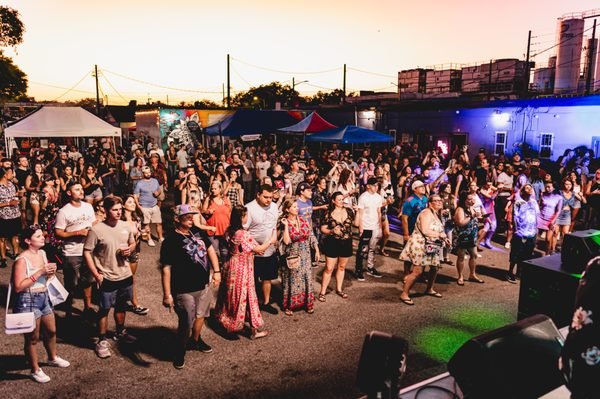
Coining the phrase "culture of subcultures," The Milk District was home to an eclectic collection of independent businesses, artists, musicians, nightlife, and creative communities. Its identity was not carefully curated or manufactured. It emerged organically from decades of people doing their own thing, together.
Our work was to amplify what was already there, create opportunities for those communities to thrive, and help ensure they had a meaningful voice in the neighborhood's future.
The Challenge
As Orlando continued to grow, The Milk District faced a familiar challenge for established urban neighborhoods: how to welcome investment and new opportunities without losing the people, businesses, and culture that made the neighborhood attractive in the first place.
New development, increased visibility, and growing commercial interest could bring economic benefits. They could also create pressures toward displacement, rising costs, and a more homogenized neighborhood.
Traditional placemaking often begins by asking what a place could become. But in The Milk District, the more important question was what already existed and how to help it flourish.
The neighborhood's strength came from its differences. Independent restaurants existed alongside music venues, vintage shops, bars, artists, and unconventional entrepreneurs. These businesses and communities did not necessarily share an audience, aesthetic, or vision for the future.
The challenge was to build a stronger economic and civic ecosystem without asking those communities to become something else.
Strategy
-
The Milk District's brand was not about creating a new neighborhood personality. It was about giving greater visibility to the many personalities already there.
I championed the district's "culture of subcultures" identity, positioning its eclectic mix of people, businesses, and creative expressions as a strength.
Through storytelling, partnerships, events, public art, and marketing, we highlighted the independent spirit of the neighborhood without reducing it to a single aesthetic or target audience.
We were not selling a manufactured version of authenticity. We were inviting people to experience the real thing.
-
The Milk District was more than a collection of businesses sharing a geographic boundary. It was an opportunity to build collective influence.
I worked to strengthen relationships among business owners, artists, residents, property owners, nonprofit partners, and local government, bringing together stakeholders who might otherwise have had little reason or opportunity to collaborate.
Through regular engagement, events, advocacy, and partnerships, the district organization created opportunities to share resources, address common challenges, and pursue priorities that individual stakeholders could not easily accomplish alone.
The goal was not consensus on everything. It was building enough trust and shared purpose to act together when it mattered.
-
Locally owned businesses were central to the neighborhood's character, but independent entrepreneurs often lacked the resources, visibility, and economies of scale available to larger competitors.
Our economic development work focused on creating practical opportunities for those businesses to reach customers, collaborate, and grow.
One example was The Milk District Spot, a neighborhood retail incubator that opened in 2021, creating a shared platform for local makers and entrepreneurs.
We also developed neighborhood merchandise and promotional initiatives that celebrated local identity, connected customers with the district, and generated resources to reinvest in its work.
Rather than importing a formula for commercial success, we supported the people already building the neighborhood's economy.
-
Placekeeping requires more than cultural programming. The built environment, transportation network, development decisions, and public policies all shape who can participate in neighborhood life.
I worked with government officials and community stakeholders to bring neighborhood perspectives into conversations about public infrastructure, development, and preservation.
This included leading community advocacy around the Robinson Street roadway improvement project and participating in discussions about the redevelopment of Colonial Lanes, a longtime neighborhood institution.
These efforts recognized that buildings, streets, and public spaces carry social and cultural significance beyond their immediate economic value.
Development was not inherently the problem. The question was whether investment responded to the needs and priorities of the existing community.
Results
During my tenure, The Milk District strengthened its position as a recognized cultural destination, economic development organization, and advocate for its business community.
City of Orlando Main Street reports documented the following district-wide activity during 2021 and 2022:
38 new businesses opened in the district.
282 jobs created, as reported through the Main Street program.
More than $8.5 million in reported improvements and investment.
1,915 volunteer hours contributed to neighborhood activities and initiatives.
The district also earned three Florida Secretary of State Main Street awards in 2021, received recognition for creative district projects, expanded its support for independent entrepreneurs, and contributed to professional conversations about neighborhood development and historic preservation.
These outcomes were the collective work of business owners, residents, property owners, artists, volunteers, government partners, and the district organization.
The greatest success was not making The Milk District into something new. It was strengthening the connections, resources, and collective voice of the people who had already made it a place worth celebrating.
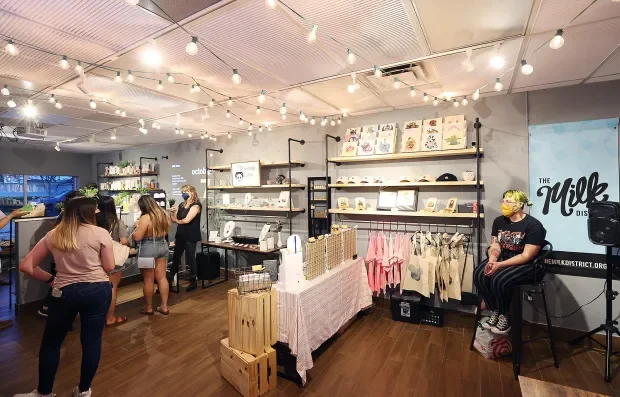
A Little Retail Therapy for Small Business
With limited commercial space available in The Milk District, attracting new independent businesses meant cultivating the next generation of neighborhood entrepreneurs before storefronts became available.
I developed The Milk District Spot as a retail incubator, giving local makers and emerging businesses opportunities to test products, build customer relationships, and establish a presence in the district without the commitment of a traditional lease.
The goal was to build a pipeline of independent businesses ready to move into permanent brick-and-mortar spaces as opportunities emerged, ensuring the neighborhood's future growth continued to reflect its entrepreneurial and creative character.
Skills Demonstrated
Place-based economic development
Cultural strategy and placekeeping
Community organizing and stakeholder engagement
Nonprofit executive leadership
Public-private partnerships
Independent business development
Urban planning and infrastructure advocacy
Historic preservation and adaptive reuse
Community-centered branding
Event and cultural programming
Government relations and civic participation
Coalition building
