

More Orlando than you Expected
Cultural Tourism, Destination Development, Economic Development, Strategic Partnerships
Focus: A Decade of Cultural Tourism Leadership in Central Florida
Overview
Orlando is one of the world's most recognizable tourism destinations. But beyond the theme parks is another Orlando, built by artists, musicians, independent businesses, cultural institutions, and neighborhoods with stories of their own.
For more than a decade, I have worked to make space for these communities within a tourism economy traditionally organized around major attractions, resorts, and convention business.
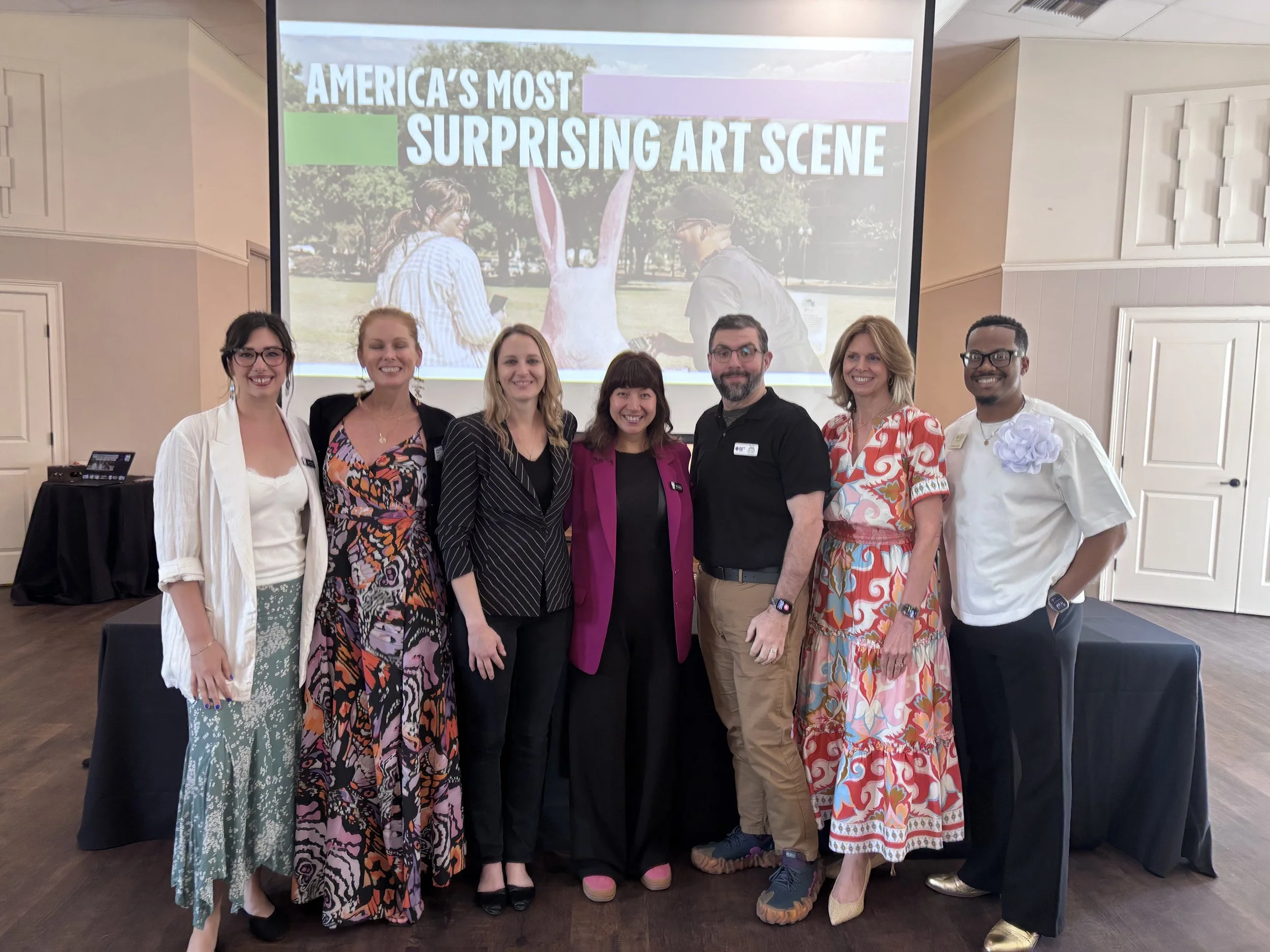
From helping establish a cultural tourism initiative in Winter Park to serving on VISIT FLORIDA's Cultural, Heritage, Rural and Nature Committee, developing new membership opportunities with Visit Orlando, and advancing regional arts tourism partnerships, my work has focused on connecting local culture with the systems that bring millions of people to Central Florida.
The objective has never been simply to attract more visitors.
It has been to ensure that independent businesses, arts organizations, and cultural communities have greater access to the relationships, resources, and visibility of the larger tourism economy.
The Challenge
Central Florida's tourism infrastructure is extraordinary, but participating in it has not always been equally accessible.
Large attractions and established hospitality businesses have dedicated marketing teams, industry relationships, and resources to reach travelers before they arrive.
Independent restaurants, neighborhood businesses, museums, and performing arts organizations often operate with much smaller teams and budgets.
These organizations collectively contribute to the region's distinctive identity, yet individually may lack the resources or industry connections necessary to participate fully in destination marketing.
This creates a challenge for both sides: local organizations miss opportunities to engage visitors, while the destination misses opportunities to introduce travelers to the authentic culture beyond its best-known attractions.
The opportunity was to create more ways for local businesses and cultural organizations to participate in the larger tourism system, without expecting them to operate like major attractions.
Strategy
-
Throughout my work, I have approached cultural tourism as an ecosystem rather than a collection of individual attractions.
Museums, theatres, historic sites, restaurants, neighborhoods, and independent creative businesses each offer something valuable. But their collective strength can be greater when they are connected through shared destination strategies.
In Winter Park, I helped establish a cultural tourism initiative focused on connecting the community's cultural institutions and experiences through coordinated positioning and collaboration.
The work recognized that smaller organizations could build stronger visibility by participating in a shared destination story rather than competing individually for the attention of visitors.
-
Following the COVID-19 pandemic and a transition in leadership, Visit Orlando began exploring opportunities to broaden the destination's appeal beyond traditional tourism experiences.
As Executive Director of The Milk District, I worked directly with Visit Orlando to help create a new membership structure that would make participation more accessible to independent neighborhood businesses.
The opportunity was particularly important for locally owned restaurants, shops, and other small enterprises that could benefit from tourism exposure but were not necessarily positioned to engage with a major destination marketing organization independently.
I then incorporated Visit Orlando membership into selected levels of The Milk District's own membership program, creating a practical pathway for participating businesses to gain access to the regional tourism network.
The partnership connected The Milk District's close relationships with local businesses to Visit Orlando's broader destination marketing infrastructure.
It was a relatively straightforward structural change with a larger purpose: making the tourism economy more accessible to the small businesses that give Orlando its character.
-
Orlando's Main Street districts offer visitors experiences that complement the city's major attractions: independent food and beverage destinations, local music, public art, neighborhood retail, and distinct cultural communities.
Working with Visit Orlando and local partners, I helped position these districts as visitor-facing experiences while preserving the unique identities that made them worth exploring.
The objective was not to turn neighborhoods into tourist attractions.
It was to make their existing businesses and experiences more discoverable, encouraging visitors to explore the city beyond its traditional tourism corridors while directing economic activity toward locally owned enterprises.
-
My work has also included participation in tourism strategy at the regional and statewide levels.
From 2017 to 2018, I served on VISIT FLORIDA's Cultural, Heritage, Rural and Nature Committee, contributing a perspective rooted in arts, community development, and cultural experiences to broader tourism discussions.
I have also participated in the Cultural Tourism Steering Committee convened through United Arts of Central Florida and Visit Orlando, helping connect the region's arts organizations with destination marketing priorities and opportunities.
These roles have provided opportunities to advocate for a broader understanding of what makes a destination attractive and how its tourism infrastructure can support a more diverse range of participants.
I worked with government officials and community stakeholders to bring neighborhood perspectives into conversations about public infrastructure, development, and preservation.
This included leading community advocacy around the Robinson Street roadway improvement project and participating in discussions about the redevelopment of Colonial Lanes, a longtime neighborhood institution.
These efforts recognized that buildings, streets, and public spaces carry social and cultural significance beyond their immediate economic value.
Development was not inherently the problem. The question was whether investment responded to the needs and priorities of the existing community.
Results
A Cultural Destination in the Making
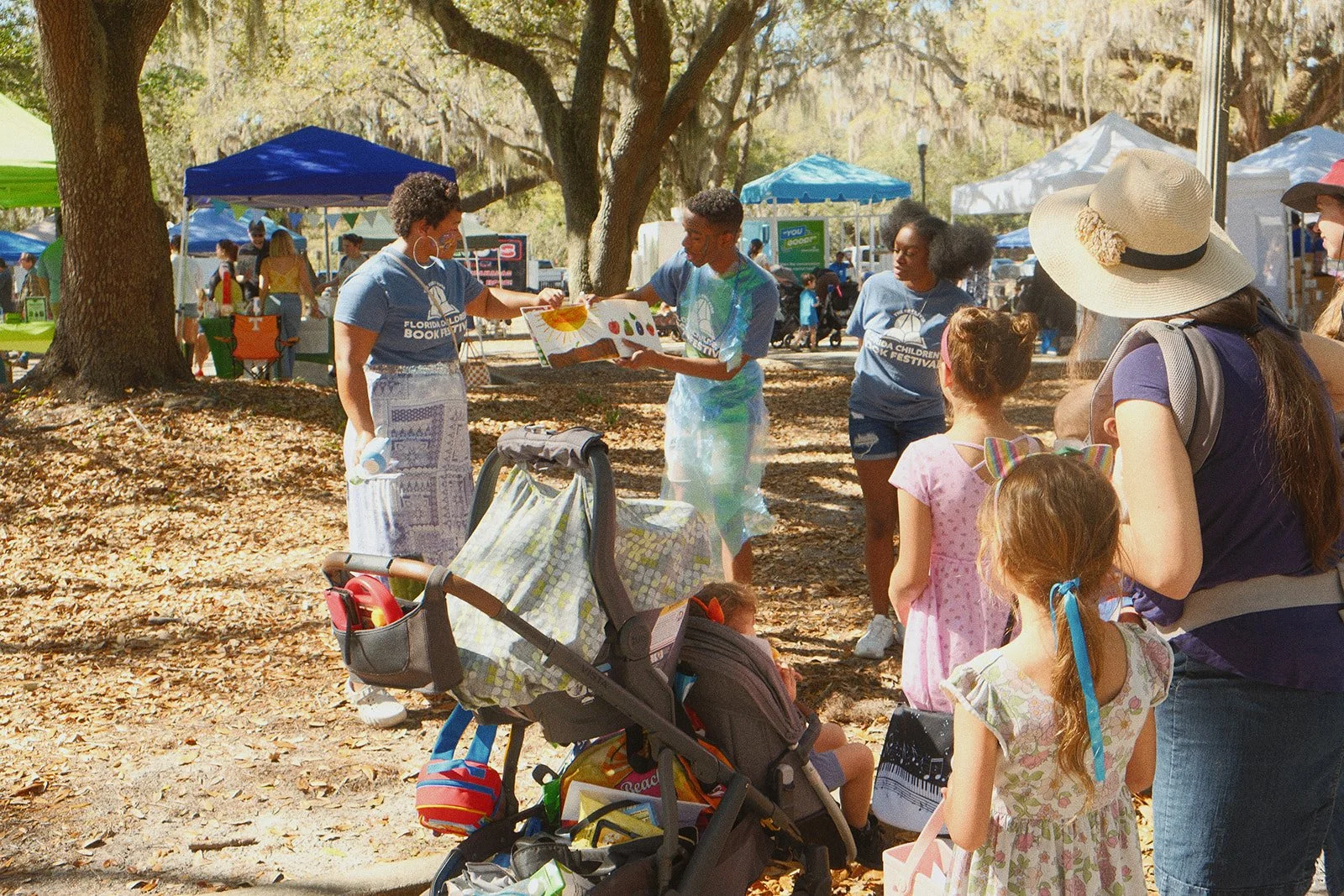
At Orlando Family Stage, I have championed the positioning of Loch Haven Park as a cultural destination, connecting its theatres, museums, and cultural institutions into a more compelling visitor experience.
Through partnerships with Visit Orlando, United Arts, and neighboring institutions, my work has focused on elevating the park's collective identity, increasing cultural tourism visibility, and making it easier for visitors to discover Orlando's arts scene beyond the theme parks.
Skills Demonstrated
Cultural tourism strategy and destination development
Tourism industry partnerships and stakeholder engagement
Economic development and small business advocacy
Membership strategy and partnership program development
Cultural ecosystem development
Public-private collaboration
Regional and statewide tourism leadership
Community-based destination marketing
Cross-sector coalition building
Organizational representation and advocacy
Cultural product development
Strategic positioning and market diversification
